
Attic air sealing in Cañon City CO - fewer drafts and insulation that does its job
Hot upstairs rooms, drafts or a power bill that keeps climbing? We close the holes into your attic so the insulation can work.
- Fully licensed and insured.
- Free quotes on site.
- We reply within 1 business day.
Why is my house drafty when the attic has insulation?
Attic air sealing in Cañon City closes the gaps where air from your rooms leaks up into the attic, so the insulation up there slows heat instead of fighting a draft. We do it before any new insulation goes in.
Most people call because a room upstairs runs hot, the floors feel cold or the power bill keeps going up even though there's insulation in the attic. Usually the insulation isn't the real problem. Air is moving through it from gaps nobody sealed, so if you're planning new attic insulation, this is the step to book first. The price moves with how many big holes there are, how hard the edges of the attic are to reach, and whether old insulation that's wet or full of droppings has to come out before we can see anything. The schedule moves with anything that has to be fixed first, like a roof leak or old wiring, and with any permit the work needs. Your written estimate spells out what we'll do, where and why.
How we do attic air sealing
I look the attic over before anyone seals anything, because live old wiring, a roof leak or a bathroom fan venting into the attic has to be fixed first, and sealing over it just hides the trouble. Then our crew goes after the big holes, where the tops of the walls meet the attic floor, over dropped ceilings and behind and under kneewalls, since that's where most of the air gets through. We seal around the pipes, wires and light fixtures that come up through the ceiling, then weatherstrip the attic hatch or pull-down stairs and put rigid foam board on the back, the way you'd treat a door to the outside. Around a chimney or flue we build a durable fixed dam, a barrier that keeps anything that can burn away from it, because federal guidance calls for one there. The soffit, ridge and gable vents and any combustion air ducts stay open, because they're there on purpose and a buried vent leaves moisture sitting in the framing.
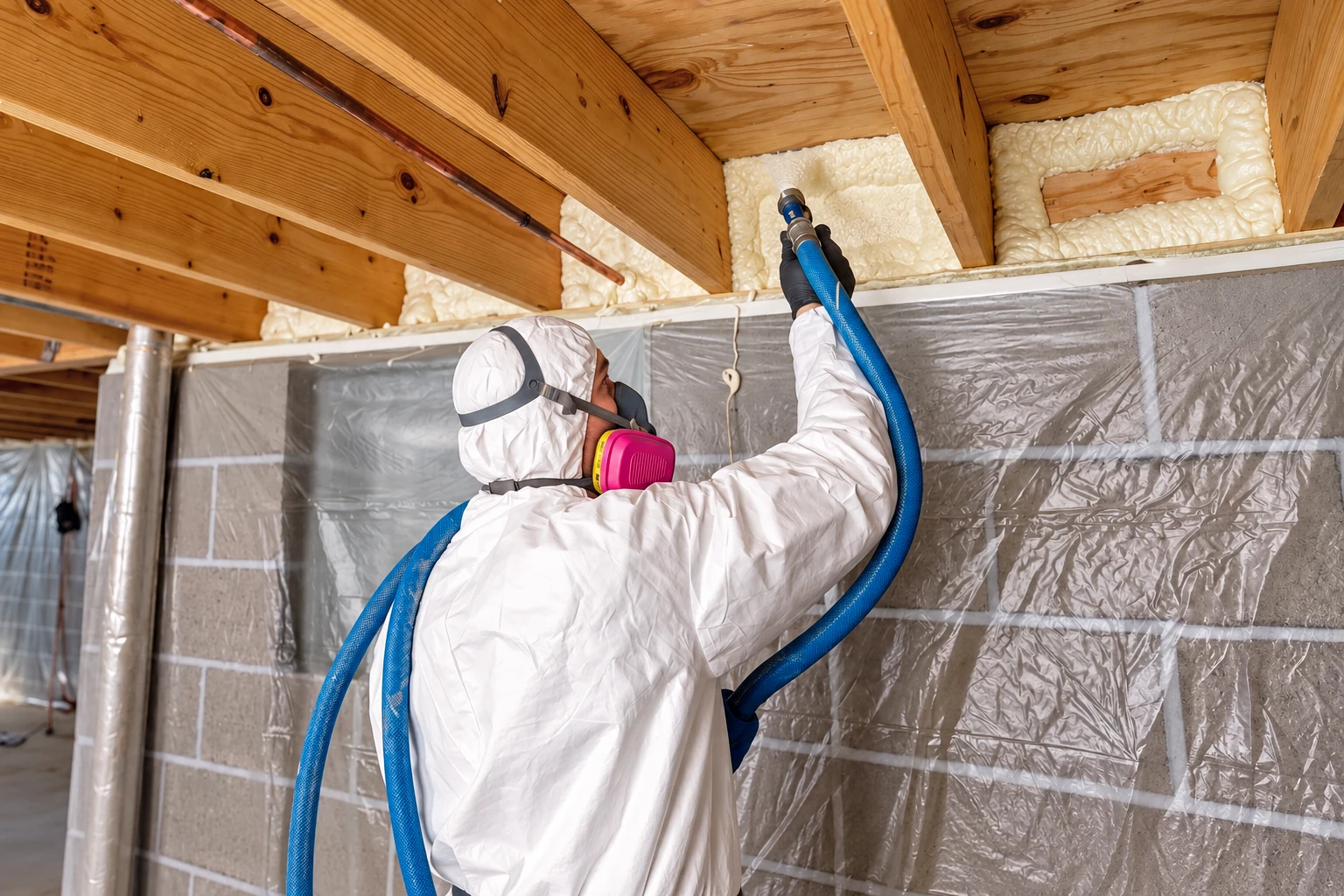
Once the leaks are closed, the attic is ready for insulation. We do spray foam insulation when that's the right call for the attic, and retrofit insulation when an older house needs more added to what's already there, so the sealing and the insulating get planned together instead of by two different outfits.
Seal the gaps, then top up loose fill
This suits most attics I look at, and it's usually where your money goes furthest. We close the big leaks, then blow loose fill over them so the edges get as much coverage as the middle, not the other way around.
Spray foam in the attic
Foam costs more, but it seals air while it insulates. I mostly recommend it when your ductwork lives up there, because that's when the extra cost usually pays off.
Seal now, insulate later
If the insulation you have is dry, clean and in decent shape, sealing alone can be the right first step. We seal, put the existing insulation back, and you add more when you're ready.
Call before new insulation goes in, not after, because sealing under fresh insulation means pulling it all back. Same goes if you've found a roof leak or a fan venting into the attic.
What happens when you call us about attic air sealing?
Here's how an attic air sealing job runs with us, from the first call to the walk-through at the end. I'm the one you'll see at the start and at the finish.
Call or send the form
Tell us what you're noticing, like a hot room upstairs or drafts near the ceiling, and we set a time for me to come out. It helps to mention any gas appliances in the house.
I check the attic myself
I come out, go up into the attic and note anything that has to be fixed before we seal, like old wiring, a wet spot or a fan venting up there. If you don't need air sealing, I'll tell you.
Get a written estimate
You get a written estimate that says what we'll seal, where and why, so you know what you're paying for before anything is booked. We also sort out any permit the job needs with the right office for your address.
Crew seals, I walk it
Our own crew does the sealing, and I walk the attic with you before we call it done. You see where we sealed before any insulation covers it.
Get your attic checked before it's insulated
We reply within one business day to set a time, then I come out and look at your attic myself. The estimate is free, done on site, and there's no obligation to book.
(719) 204-8345Attic air sealing permits and licensing in Cañon City
Inside Cañon City limits, the Cañon City Building Department issues building permits, and its rule is that building projects not on its own list need one. Whether sealing your attic is one of them is a question for the city, at (719) 276-5253, and if your house sits outside city limits in unincorporated Fremont County, the county building department handles it instead. We check which office covers your address and take care of any permit the job needs before work starts. The city also licenses general and limited contractors through that same department, and we're fully licensed and insured.
We're based in Cañon City and work in Pueblo West and other cities around it. On jobs in Cañon City we find plenty of older houses with upstairs rooms tucked under the roof, kneewalls and lowered ceilings, which is where the big leaks hide, and we run into the same thing on jobs in Pueblo West.
Attic air sealing questions we hear in Cañon City
How much does attic air sealing cost in Cañon City?
There's no set price for attic air sealing, because it depends on how many leaks your attic has and how hard they are to get to. Kneewall rooms, low roofs and floored attics take longer to work in, and old insulation that has to come out first adds to the job. Your written estimate lays out what we'll do and where.
What needs to be fixed before attic air sealing?
Active knob and tube wiring, the old cloth-covered kind on ceramic knobs, vermiculite insulation, a leaking roof and bathroom fans vented into the attic all come before sealing. A federal guide also puts sealing on hold for an unvented kerosene heater or gas fireplace. It deals with combustion safety and ventilation first, then seals, then insulates.
Is attic air sealing safe if I have a gas furnace or water heater?
Yes, as long as the venting on those appliances gets checked after the house is tightened up. Federal guidance warns that carbon monoxide can build up after this kind of work if gas-burning appliances aren't venting properly. If you have a gas or oil furnace, water heater or dryer, have a heating and cooling technician check the venting.
Do I need to seal every little gap in my attic?
No. Federal energy guidance says the biggest savings come from plugging the large holes, not every small one, which is why we start with the big ones. Chasing every hairline crack mostly adds labor without much to show for it.
What causes dark spots or frost in attic insulation?
Dark patches usually mean dusty air from the house has been leaking up and the insulation has been filtering it. Frost in cold weather means warm, moist house air is condensing and freezing when it hits the cold attic. Both point to a leak right below, so show me those spots when I come out.
How long does attic air sealing take, and do we have to leave the house?
It depends on the size of the attic and how many big leaks we find, and I can tell you more once I've been up there. Caulk and sealant work usually doesn't send anyone out of the house. If spray foam is part of the job, plan on staying out for a while after it goes in, and we'll go over when you, the kids and the pets can come back.
Insulation work that goes with attic sealing
If your house was built before anyone thought much about insulation, retrofit work adds it to finished walls and attics without tearing the place apart.
When ducts run through the attic or a space is too awkward for loose fill, spray foam fills and seals it in one go, at a higher price.
Call about your attic before you insulate
When you call (719) 204-8345 or send the form, mention gas appliances, roof leaks or fans venting into the attic, so I know what to check first.